
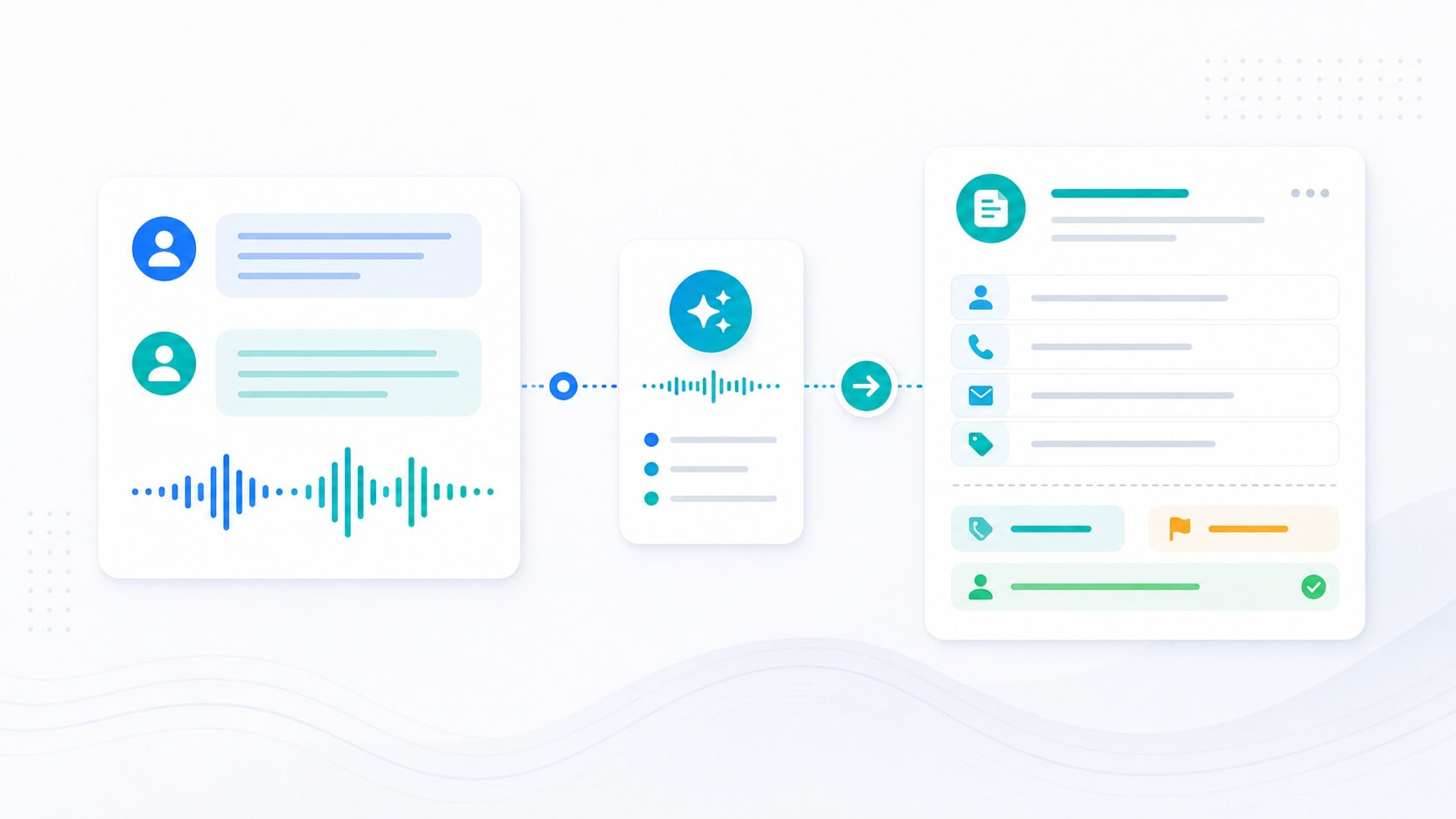
Most companies today do not have a clearly defined system for receiving customer communication. Phones ring while employees are busy with other responsibilities, messages remain unrecorded, and important information gets lost in everyday work. In that kind of environment, every missed call can easily become a lost business opportunity.
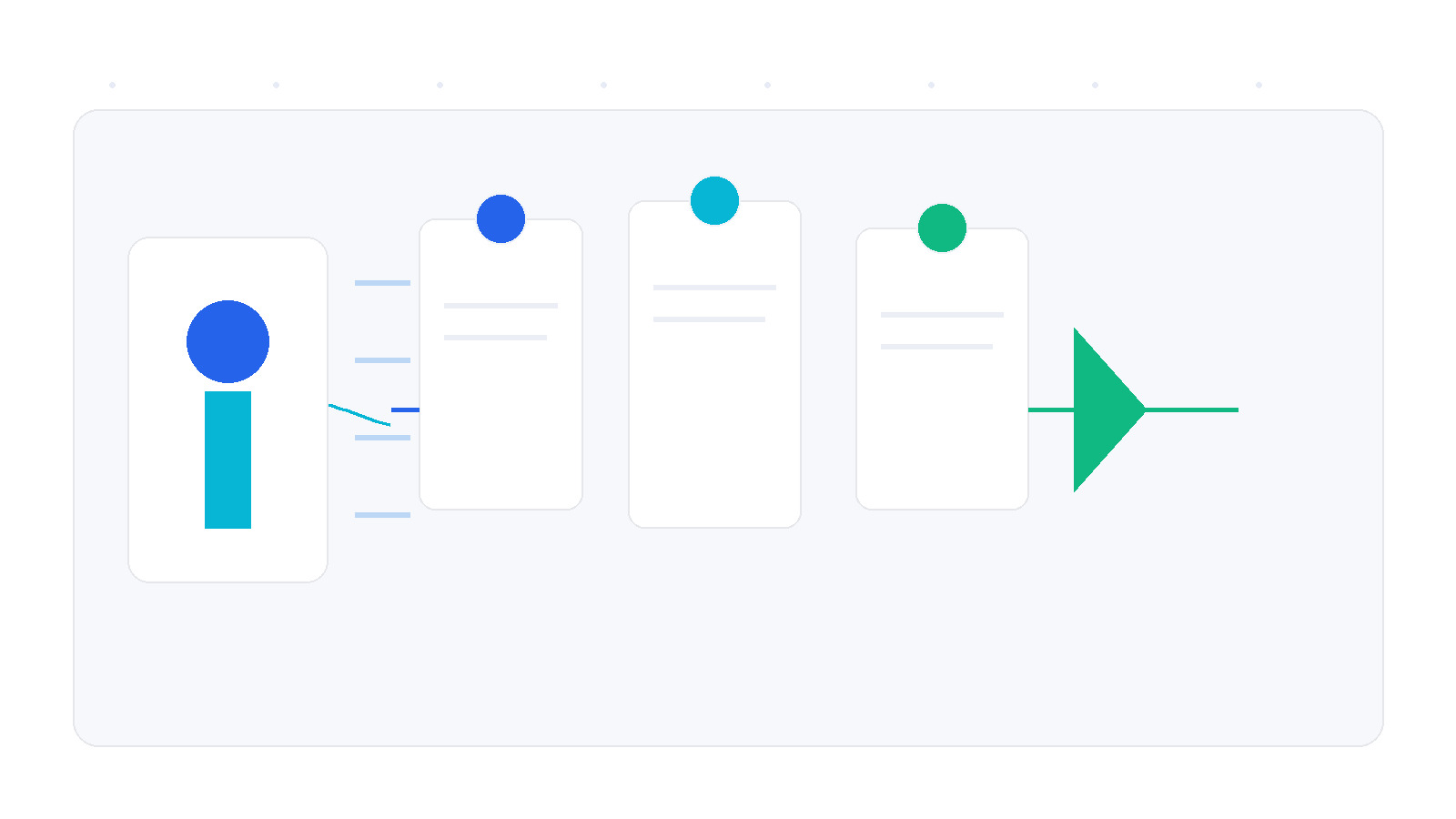
The problem is not a lack of work, but the way communication is handled. When there is no structure, information stays in employees' heads or is passed on imprecisely, which makes the work harder and creates unnecessary mistakes. Customers expect a fast and clear answer, and when they do not get one in time, they quickly turn to another company.
Why this is a serious problem
Every call your company receives represents a potential business opportunity. However, when a call is not answered on time, the customer quickly looks for an alternative and goes to a competitor. In today's environment, response speed often makes the difference between winning and losing a job.
Even when a call is answered, the problem does not disappear if the information is not recorded properly. Incomplete or inaccurate details lead to repeated communication, misunderstandings, and additional pressure on the team. Instead of moving the process forward, employees have to go one step back, which slows down the work and reduces the efficiency of the entire company.
The concept of a digital entry point
This is why the concept of a digital entry point is introduced as an answer to chaotic and unorganized communication. Instead of every call depending on employee availability, the company gets a system that takes over the first contact and guides it in a structured way. Communication no longer depends on the moment; it becomes part of a clearly defined process.
A digital entry point works by receiving every incoming call, guiding the caller through a logical conversation, and collecting all relevant information. Instead of a superficial conversation, the system asks specific questions and records the exact details needed for further action. Each call becomes a clear and usable request, ready to be processed inside the company.
In other words, communication stops being improvisation and becomes a system that works in favor of your business.
What it looks like in practice
In practice, a digital entry point works simply and predictably. When a customer calls the company, the system answers without waiting and immediately starts a conversation through a clearly defined structure. Instead of random communication, the caller is guided through specific questions designed to understand the request quickly and accurately.
During the conversation, the system records key information such as the caller's name, description of the problem, location, or other relevant details. Everything that could previously be lost or forgotten is now automatically recorded and organized. This eliminates misunderstandings and reduces the need to repeat information.
Immediately after the conversation, the collected data starts the next process inside the company. Whether that means creating a task, sending an email, opening a ticket, or entering a record into a CRM system, it can happen without additional manual work from employees. The result is a faster response, better organization, and full control over every call.
No lost information. No going back to reconstruct what happened.
Where companies most often make mistakes
The biggest problem in customer communication is not technology, but organization. Many companies still rely entirely on people, without a clear system that supports and standardizes the process. When communication depends only on employees, service quality varies and mistakes become inevitable.
One of the most common mistakes is the absence of a standardized conversation. Every call is handled differently, without a clear structure and without key questions, which leads to incomplete information and additional misunderstandings. In that kind of environment, data often remains in employees' heads or is passed on verbally, without a clear record.
Another problem is the lack of a central place for tracking communication. When there is no system that records and organizes requests, the company loses visibility, and the team spends time trying to reconstruct information. The result is slower work, frustration, and a worse experience for customers.
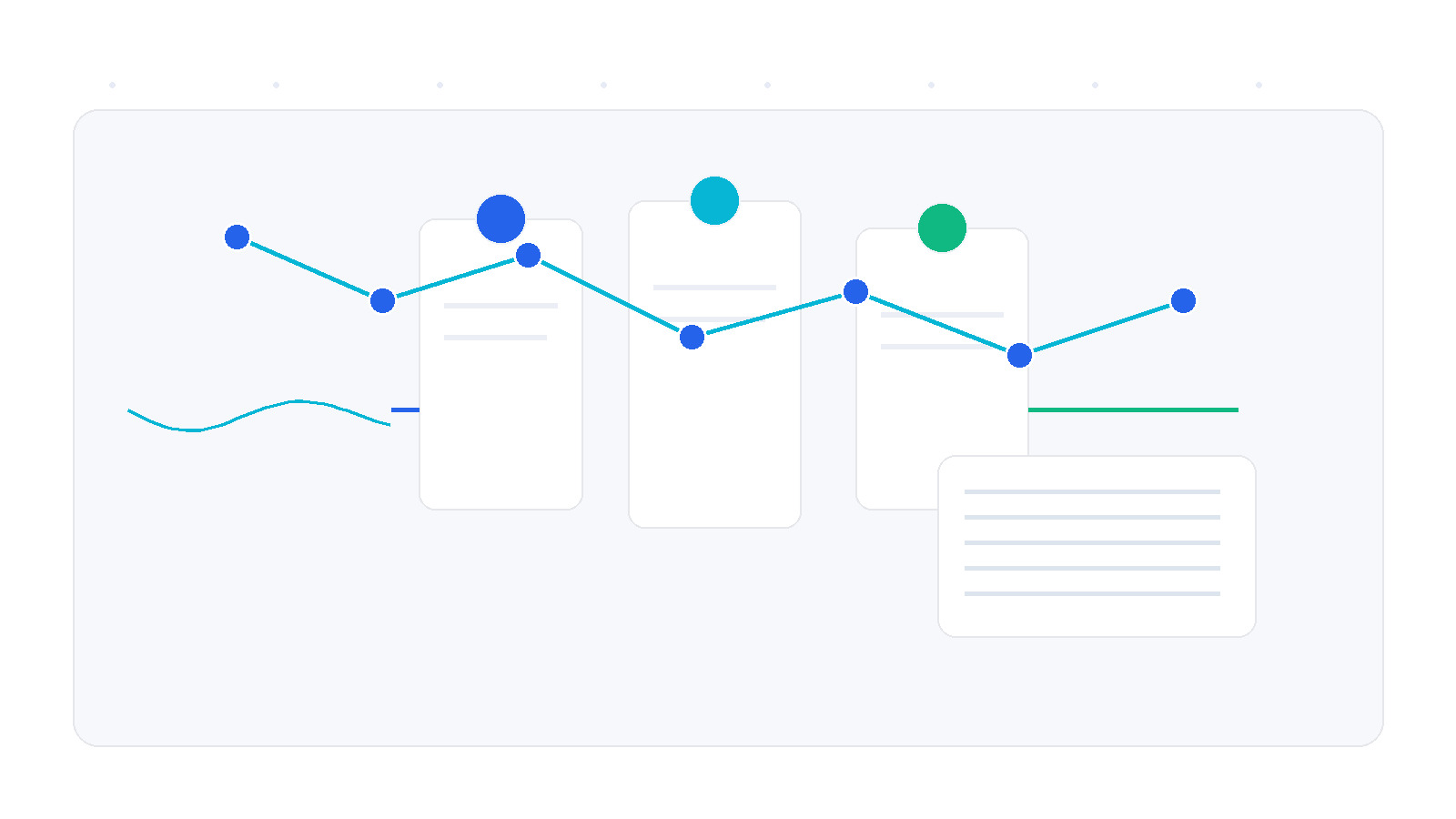
The solution: a digital entry point as the foundation of the business
A digital entry point is not just a phone that answers calls. It represents a combination of technology and clearly defined processes that together form the foundation of organized customer communication. Instead of relying on improvisation, the company gets a system that receives the first contact and turns it into a concrete business request.
"One practical solution for organizing communication is an AI phone for business, which makes it possible for every call to be processed automatically and turned into a structured request."
At its core, this system combines an AI voice agent, automation, and CRM. The AI leads the conversation and collects information, automation starts the next steps, and the CRM ensures that every detail is recorded and available when needed. In this way, communication becomes connected to real processes inside the company, instead of remaining an isolated event.
Everything starts with one call, but the way that call is handled makes the difference between chaos and a system.
Conclusion: control starts with the first contact
If a company does not have control over inbound communication, it is difficult to have control over the rest of the business. Every call, message, or inquiry is the beginning of a process, and this is exactly where mistakes are most often made - mistakes that later cost time, money, and customer trust.
That is why companies today are not only digitalizing marketing or sales, but also the way they communicate with customers from the very first moment. A digital entry point becomes the foundation of organized business because it makes every interaction recorded, structured, and directed toward the next step.
If you want to see how this kind of system could work in your company, we can show you a concrete example and a real practical scenario.